


Electric Hot Water Systems Replaced
Starting From $1550
We Install, Repair & Service Your Hot Water Systems.

Water & Waste Plumbing Darwin specialises in the installation, repair and service of hot water systems, offering comprehensive solutions for residential and commercial properties in the Northern Territory.
Water & Waste Plumbing can help you decide which hot water systems are the right fit for your household needs.
For installations and repairs, we source from top brands around Australia and internationally to get you the right products at affordable prices.
There are five main categories of hot water heaters, all of which are serviced and installed by our friendly qualified team.
These include:
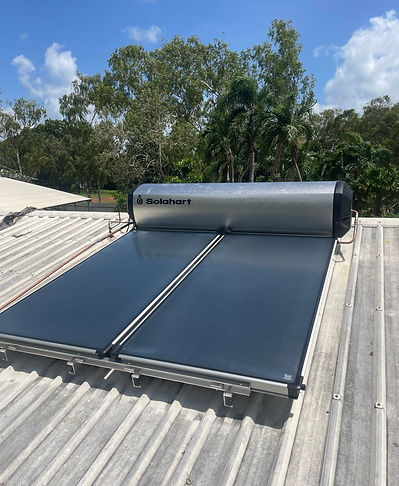
Solar Hot Water System
Solar hot water systems are a type of hot water heating system that utilizes energy from the sun to heat water. The most common type of solar hot water system is a direct system, which uses solar panels called collectors to directly heat the water in the tank.
Key Pros
-
Energy Efficient & Environmentally Friendly.
-
Possible Long Term Cost Saving.
-
Good In Sunny Weather.
-
Lower Carbon Footprint.
Key Cons
-
High Upfront Installation Costs.
-
Bad In Cloudy Weather.
-
Requires Roof Space For Panels.
-
May Require Electricity/Gas For Boosting.
*Approximate Price is $8500 - $11500. Dependent on Size, Type, Brand & Roof Compatibility.
How It Works
Solar collectors on the roof absorb the sun’s heat and transfer it to water stored in a tank, either directly or via a heat exchanger.
Maintenance
Clean solar panels as needed, usually once annually. Check PTR valve every 6 months and replace annually. Major Service required every 5 years, includes all the above plus flush the whole system and replace sacrificial anode.
Overall
Solar hot water systems are a cost-effective, energy-efficient, and environmentally friendly option for water heating. With proper maintenance, they can provide years of reliable service and help to reduce energy costs.

*Approximate Price is $1200 - $2000. Dependent on Size, Type, Brand & Location
Electric Hot Water System
Electric hot water systems use electricity as the primary energy source to heat water. They are a common type of hot water system used in households, and they come in different sizes to suit different households and their hot water needs.
Key Pros
-
Easy to install anywhere.
-
Low Upfront Costs.
-
High end systems can be programmed for off peak tariffs.
-
Simple repairs and Maintenace.
Key Cons
-
High ongoing costs.
-
High carbon footprint.
-
Can deter renters and lower house value.
How It Works
An electric element heats water stored in an insulated tank. A thermostat monitors water temperature and reheats whenever the water drops below the set temperature.
Maintenance
Check PTR valve every 6 months and replace annually. Flush the tank annually to remove sediment.
Overall
Electric hot water systems are a budget-friendly option for households with a low demand for hot water. However, for households with a high demand for hot water, gas hot water systems may be a more cost-effective option.
Heat Pump Hot Water System
Heat pump hot water systems are an energy-efficient alternative to traditional electric or gas-powered hot water systems, using electricity to transfer heat from the surrounding air or ground into the water stored in a tank. This process provides hot water for your home or business without generating any direct heat, which is why it is considered one of the most energy-efficient options available.
Key Pros
-
75% more efficient than electric systems.
-
Government rebates available.
-
Low running costs.
-
Low carbon footprint.
-
Off peak tariff compatible
Key Cons
-
High purchase prices.
-
Makes noise when running.
-
Less efficient in colder climates.
-
Large ground level tanks that require good airflow.

*Approximate Price is $4000- $8500. Dependent on Size, Type, Brand & Location.
How It Works
A fan draws warm air from outside. The system extracts heat from this air and transfers it to water in the tank via a heat exchanger.
Maintenance
Check PTR valve every 6 months and replace annually. Ensure the area is ventilated and debris-free.
Overall
Electric hot water systems are a budget-friendly option for households with a low demand for hot water. However, for households with a high demand for hot water, gas hot water systems may be a more cost-effective option.

Gas Hot Water System
Gas hot water systems are a popular choice for many households and businesses, utilizing natural gas or liquefied petroleum gas (LPG) to heat water in a tank.
Key Pros
-
Fast heating with consistency.
-
Cost effective for both large and small homes.
-
Weather and climate play no role on functionality.
Key Cons
-
Requires either gas line or large bottle for supply.
-
High install costs.
-
Produces emissions.
-
Regular servicing required.
*Approximate Price is $1500- $3500. Dependent on Size, Type, Brand & Location.
How It Works
Water is heated using a gas burner. Storage systems heat a full tank, while continuous flow (instant) systems heat water on demand.
Maintenance
Annual servicing of burner and flue. Check for gas leaks and carbon buildup.
Overall
Gas hot water systems can only use gas to heat the water when the tap is turned on. This means you'll only ever pay for what you use. First time setups can be a little expensive but ongoing cost make it worthwhile.
Signs of a Malfunctioning Hot Water System
At Water & Waste Plumbing, we’re a leader in hot water system repair. However, recognising the early signs of trouble can help you avoid costly breakdowns and further issues. Here are common signs that your hot water system may not be working efficiently:
01
Inconsistent Water Temperature
If you notice fluctuating water temperatures or if the water doesn’t get as hot as it used to, this could indicate a problem with the thermostat, heating elements or other internal components.
02
Strange Noises
Banging, rumbling or popping noises from your hot water system can indicate sediment buildup in the tank.
03
Low Hot Water Temperature
Reduced water pressure, specifically in hot water taps, can be a sign of sediment buildup, pipe blockages or issues within the hot water system itself.
04
Leaking Water
Visible leaks around your hot water system, including puddles or dampness, suggest a problem that needs immediate attention.
05
Sudden Spike In Energy Bills
Malfunctioning systems often consume more energy to maintain desired water temperatures.
Benefits Of Servicing Your Hot Water System
Regular servicing of your hot water heater is essential to maintain its efficiency, longevity, and safety. Our hot water heater servicing includes thorough inspections, cleaning, and necessary repairs. Here are some key benefits of servicing your hot water heater:
Increased Efficiency
Regular servicing ensures that your hot water system operates efficiently, reducing energy consumption and lowering your utility bills.
Improved Safety
Our service technicians can identify and repair any potential safety hazards, such as gas leaks or malfunctioning components, ensuring the safety of your family and property.
Early Problem Detection
Through routine servicing, our technicians can detect and resolve potential issues before they escalate into major problems, saving you from costly repairs down the line.
Compliance with Warranty
Regular servicing helps you adhere to the manufacturer's warranty requirements, ensuring that your warranty remains valid.
Not servicing a hot water system can lead to several negative consequences. Over time, mineral build-up and corrosion can occur, reducing the efficiency of the system and leading to higher energy bills. Additionally, components within the system can start to wear out and fail, which can lead to leaks and potentially cause water damage. Furthermore, a lack of maintenance can result in the growth of bacteria and other harmful microorganisms, putting your health at risk. At Water & Waste Plumbing Darwin, we recommend scheduling a hot water heater service at least once a year. Our licensed plumbers will provide thorough maintenance, including cleaning, checking for leaks, inspecting the tank, and optimizing the system’s performance.
Tempering & Thermostatic Mixing Valves
Tempering valves and thermostatic mixing valves are crucial components in plumbing systems that regulate the temperature of hot water to prevent scalding and ensure safety. These devices mix hot and cold water to achieve a consistent and safe temperature for various fixtures. A tempering valve mixes cold water with hot water from the storage tank to maintain a safe temperature, while a thermostatic mixing valve offers more precise temperature control. Both valves should be installed by a licensed plumber and require regular maintenance to ensure they are functioning correctly. At Water & Waste Plumbing Darwin, we offer installation, repair, and maintenance services for tempering valves and thermostatic mixing valves.

Thermostatic Mixing Valve Services
Thermostatic mixing valves provide more precise temperature control and are often used in commercial settings, such as hospitals, schools, and multi-unit residential buildings. These valves ensure a consistent and safe water temperature by mixing hot and cold water based on a pre-set temperature. Our skilled plumbers can assist you with the following services related to thermostatic mixing valves:
Installation
We can install thermostatic mixing valves in your plumbing system, ensuring proper placement and connection to deliver accurate temperature control.
Repair
If your thermostatic mixing valve is not maintaining the desired temperature or experiencing any issues, our technicians can diagnose and repair the problem, ensuring optimal functionality.
Maintenance
Regular maintenance of thermostatic mixing valves is crucial to ensure they continue to function correctly. Our experts can conduct inspections, clean the valve, and perform necessary adjustments to keep it operating at its best.
Tempering Valve Services
Tempering valves are commonly used in hot water systems to regulate the water temperature delivered to taps and fixtures. They mix hot water with cold water to achieve a safe temperature, preventing scalding accidents. Our licensed plumbers are experienced in installing and servicing tempering valves to ensure optimal performance and safety. We can assist you with the following:
Installation
Our team can install tempering valves in your hot water system, ensuring they are correctly positioned and connected to provide the desired temperature control.
Repair
If your tempering valve is leaking, not mixing water properly, or showing signs of malfunction, our technicians can diagnose the issue and perform necessary repairs to restore its functionality.
Maintenance
Regular maintenance is essential to keep your tempering valve in good working condition. Our professionals can inspect and clean the valve, check for any potential issues, and make adjustments as needed.

Tempering Valves Are Law For All Hot Water Systems In The Northern Territory
All Other Works Performed On Hot Water Systems
50°C at the outlet of all sanitary fixtures used primarily for personal hygiene purposes for all other associated works with hot water systems.
Hot Water System Replacements
Replacing a hot water system – regardless of the type of hot water system or location.
Hot Water System Installations
50°C at the outlet of all sanitary fixtures used primarily for personal hygiene purposes for all other associated works with hot water systems.
Approximate Chart In Which Third Degree Burns Are Possible
55°C
30
Seconds For An Adult To Get Burnt
7
Seconds For A Child To Get Burnt
60°C
5
Seconds For An Adult To Get Burnt
1
Seconds For A Child To Get Burnt
70°C
1
Seconds For An Adult To Get Burnt
.5
Seconds For A Child To Get Burnt
Experience Unparalleled Comfort and Safety with Our Expert Hot Water System Services
At Apex Plumbing & Drainage Services, we understand the importance of reliable and efficient hot water systems. With our expert installation, repair, and maintenance services, you can experience unparalleled comfort and safety in your home or business. Here are the key benefits of choosing our services:
Precise Temperature Control
Our skilled plumbers ensure that your hot water systems, including tempering valves and thermostatic mixing valves, are calibrated to deliver the perfect water temperature every time. Say goodbye to scalding hot or icy cold showers and enjoy a consistent and comfortable bathing experience.
Enhanced Safety
With our expertise in hot water systems, we prioritize your safety. By preventing excessively hot water from reaching your taps and fixtures, we reduce the risk of scalding accidents, providing peace of mind for you and your loved ones.
Optimal Performance
Our thorough installation and regular maintenance services ensure that your hot water systems function at their best. By keeping them clean, calibrated, and free from any issues, we optimize the performance of your hot water system, ensuring reliable and efficient operation.
Compliance With Regulations
We stay up-to-date with the latest plumbing standards and regulations. By choosing our services, you can be confident that your hot water systems, including tempering valves and thermostatic mixing valves, meet all necessary requirements, providing a legally compliant and safe environment.
Save Energy & Reduce Costs
A properly functioning hot water system not only enhances your comfort but also saves you money. Our expert maintenance services help identify and address any inefficiencies in your hot water systems, reducing energy consumption and lowering your utility bills.
Don't compromise on the comfort and safety of your hot water system. Choose Apex Plumbing & Drainage Services for professional installation, repair, and maintenance services that prioritize your well-being. Contact us today to enjoy the benefits of our expertise and ensure an exceptional hot water experience.